§ 00 — Practice

Business Architecture

Methodology

First-principles · vendor-agnostic

Issue

v1 · 2026

§ 00 / Business Architecture Practice

Most businesses don't have an operating system.

They have eight systems patched together with tribal knowledge. Tools layered on tools, departments running on inherited assumptions, and no single source of truth — just a collection of dashboards everyone has agreed not to compare.

Book a Conversation How we work Led by Danny Cox · Reno / Chicago
Fig. A  — Most businesses Eight systems
Fig. B  — What an operating system looks like One spine
§ 01 / The premise

Architects design buildings. We design the businesses that run inside them.

The architecture metaphor isn't a metaphor. Software systems instead of structural beams, business models instead of floor plans, the same accountability for whether the structure stands up.

§ 02 / What we keep seeing

The same five failures, in a different costume each time.

  1. 01Systems get bought before the problem gets defined. A vendor recommendation arrives before anyone has decided what the business actually does.
  2. 02Departments run on tribal knowledge. The how-it-actually-works lives in three people's heads. None of it is written down.
  3. 03Decisions are inherited, not made. Vendor defaults and last-person-out preferences quietly become company policy.
  4. 04Nothing connects to the workflow. Six tools, three sources of truth, a growing list of integrations no one can fully explain.
  5. 05The team is tired of asking the same questions in different forms. That fatigue is the signal. It's not a tooling gap — it's an architecture gap.

The result is a business that operates by accident. That's a solvable problem.

§ 03 / How we work

First-principles. Not vendor-driven.

Industry-agnostic. Every engagement starts with the same question: what does this business actually need? From there, the methodology is consistent — pressure-test seven operational gates, each a forced decision point. The operator decides. We architect and install.

Plate 03 — The Seven Operational Gates

G·01

Business Model

Has the model drifted from what's actually working?

G·02

GTM

Where is the bottleneck the GTM team has been blamed for?

G·03

Revenue

Cadence, source of truth, attribution that holds up.

G·04

Accounting

Reporting cadence that makes timely decisions possible.

G·05

HR

The scaffolding behind the people doing the work.

G·06

Operations

Where tribal knowledge becomes a written runbook.

G·07

Fulfillment

The infrastructure your growth bumps into first.

You own the decisions.
We own the architecture and the build.

The through-line across nearly two decades of work has been the same: when a new technology emerges, most organizations buy it before they understand it. The ones that win figure out how it connects to the way they already operate, then build the system around that connection. Social media. Digital marketing. AI. The technology changes. The pattern doesn't.

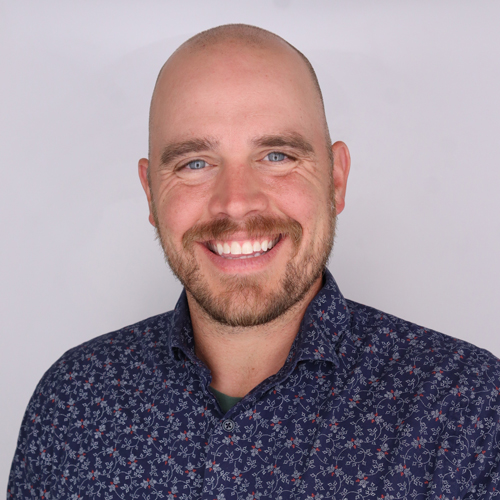
Danny Cox

Business Architect · Reno / Chicago

§ 04 / The practitioner

A practitioner, not a vendor. Operating inside the work, not advising on it from outside.

CH · 01 Big-agency origins

Launching brands on platforms before anyone knew what they were.

Started in Chicago, building pages for Campbell's Chunky Soup and Kellogg NutriGrain when social publishing was the new, misunderstood technology. Defined the digital and social support strategy for every Samsung mobile launch from the Galaxy S2 through the Note 4. Built the analytics framework that demonstrated social media as a revenue channel for Delta Air Lines.

CH · 02 Founder & operator

Took the playbook independent. Built revenue systems from scratch.

Each venture in an industry with no existing playbook. The pattern that emerged became the methodology Principl runs on today.

$1M / 14 moMarketing agency · 9 FT
$0 → $3MSolar sales org
$100K → $1.2MDTC brand
CH · 03 Enterprise AI operator

Living inside the tools. Not advising on AI from the outside.

Currently in customer marketing at a growth-stage, AI-forward B2B software company. Top Claude Code user in a 540-person organization. Building with the tools daily — understanding where they work and where they break.

CH · 04 Builder across domains

Minority partner in Building NV — a literal design-build general contractor.

The architecture metaphor isn't really a metaphor; it's the same role applied to different materials. Software systems instead of structural beams, business models instead of floor plans, the same accountability for whether the structure stands up. Also: professor at the University of Nevada, Reno, College of Business (R1). MBA candidate. Teaching while doing.

Every wave of new technology, every domain of business operation, follows the same pattern. Figure out how it generates value. Design the system. Install it. Teach the operator to run it.

§ 05 / Programs

For founders who'd rather install the system themselves.

Cohort 1 · Q2 2026

Revenue Residency

PROGRAM-RR-01

Founders learn to install their own operating system using the same first-principles methodology Principl runs on engagements. Real deliverables, no content consumption.

Length 8 weeks
Cohort size 6–8 founders
Format Weekly working session
§ 06 / Let's talk

If you're navigating an operating system rebuild and need a practitioner, not a vendor — let's talk.

Most engagements start with a 45-minute conversation. We'll pressure-test one of the seven gates live, on your business, and you'll leave with a clearer read on where the architecture is actually breaking.

Book a Conversation